






Dự phòng Phế cầu
Góp phần an tâm bảo vệ
cả gia đình
Tìm hiểu Phế cầu khuẩn - nguyên nhân hàng đầu
gây bệnh tật và tử vong trên toàn thế giới,
đặc biệt là ở trẻ nhỏ và người lớn tuổi.1
Gánh nặng
bệnh tật do
Phế cầu khuẩn
~1,6 Triệu
Ca tử vong trên toàn cầu mỗi năm do phế cầu khuẩn gây ra (theo WHO).*2
65%
Ca phế cầu xâm lấn** xảy ra ở nhóm trẻ <1 tuổi (tại Việt Nam, năm 2005-2006).3
54%
Ca phế cầu khuẩn xâm lấn xảy ra ở người lớn từ 50 tuổi trở lên (tại Hoa Kỳ, năm 2011).5
Tăng x3,5-34,5 lần
Nguy cơ mắc bệnh phế cầu xâm lấn ở người trưởng thành 18-64 tuổi mắc bệnh nền.6
*Theo dữ liệu của WHO năm 2005
**Bệnh phế cầu xâm lấn là tình trạng nhiễm trùng do vi khuẩn phế cầu gây ra, có thể dẫn đến viêm phổi, viêm màng não và nhiễm khuẩn huyết.4
Phế cầu khuẩn là gì?
Phế cầu khuẩn, tên khoa học Streptococcus pneumoniae, là vi khuẩn gây bệnh phế cầu xâm lấn và không xâm lấn.4 Vi khuẩn này có thể lây từ người sang người qua giọt bắn đường hô hấp khi ho hoặc hắt hơi.7 Nhiều người, đặc biệt là trẻ nhỏ, có thể mang vi khuẩn ở mũi, họng mà không có biểu hiện bệnh.7
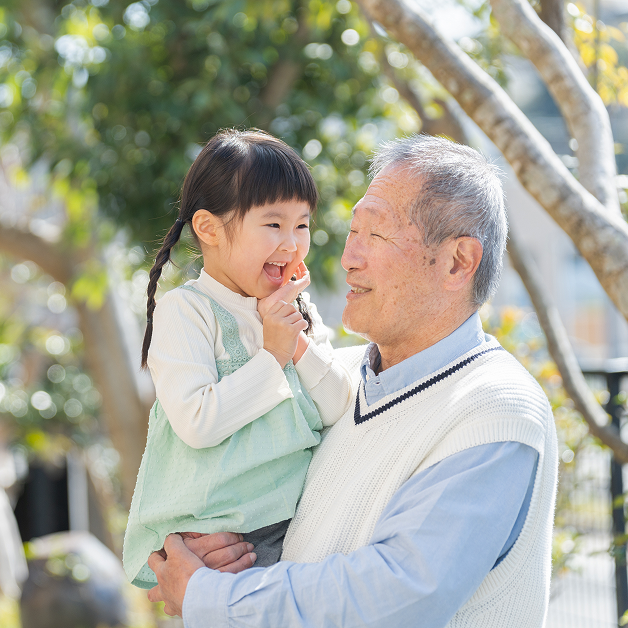
Ai cần dự phòng phế cầu khuẩn?
Tìm hiểu nhóm đối tượng nguy cơ cao nhiễm phế cầu khuẩn.




Các biện pháp
dự phòng Phế cầu
- Tiêm phòng vắc xin Phế cầu.13
- Giữ vệ sinh cá nhân và tránh tiếp xúc với người bệnh.13
- Hạn chế sử dụng rượu bia và thuốc lá.14
Chủ động xây dựng lá chắn miễn dịch
trước Phế
cầu khuẩn để góp phần bảo vệ
sức khỏe ở mọi độ tuổi












Vi rút Rota là nguyên nhân hàng đầu gây tiêu chảy nặng ở trẻ dưới 5 tuổi ở Việt Nam và thế giới.15,16
Cẩm nang sức khoẻ
Dấu Hiệu Ung Thư Vòm Họng Ở Nam Giới Không Nên Bỏ Qua
Nam giới không nên xem nhẹ các triệu chứng này vì đó có thể là dấu hiệu ung thư vòm họng ở nam. Ung thư vòm họng là một loại ung thư vùng đầu và cổ bắt đầu từ các mô của vòm họng (1). Ung thư vòm họng có thể xảy ra ở mọi lứa tuổi (1). Nam giới có xu hướng mắc ung thư vòm họng nhiều hơn phụ nữ (1). Dưới đây là những dấu hiệu quan trọng giúp nhận diện ung thư vòm họng sớm, từ đó có biện pháp điều trị kịp thời và hiệu quả.

Thắc mắc: Liệu có cách xét nghiệm HPV ở nam không? Thế nào là hiểu đúng về HPV?
HPV là nguyên nhân gây ra các bệnh lý như mụn cóc sinh dục, một số tổn thương tiền ung thư và ung thư ở nam giới (1). Vậy liệu có cách nào để xét nghiệm HPV ở nam giới không? Cách phòng vệ HPV là gì?

Những lầm tưởng chưa biết về xét nghiệm HPV ở nam giới
Thông tin mới nhất từ Trung tâm Kiểm soát và Phòng ngừa dịch bệnh Hoa Kỳ (CDC) năm 2022 đã chỉ ra rằng, HPV có thể gây mụn cóc sinh dục và một số bệnh ung thư nguy hiểm khác ở nam giới (1), nhưng xét nghiệm HPV không được khuyến cáo cho nam giới và thanh thiếu niên (2).
- CDC. Pneumococcal Vaccination. https://www.cdc.gov/pneumococcal/vaccines/index.html. Accessed 19 June 2025.
- Kang N, Subramanian VS, Agrawal A. Influence of Aging and Immune Alterations on Susceptibility to Pneumococcal Pneumonia in the Elderly. Pathogens. 2025, 14(1), 41.
- CDC. Clinical Overview of Pneumococcal Disease. https://www.cdc.gov/pneumococcal/hcp/clinical-overview/index.html. Accessed April 01, 2026.
- Drijkoningen JJC, Rohde GGU. Pneumococcal infection in adults: burden of disease. Clin Microbiol Infect. 2014, 20(Supplement_5), 45-51.
- Weycker D, Farkouh RA, Strutton DR, et al. Rates and costs of invasive pneumococcal disease and pneumonia in persons with underlying medical conditions. BMC Health Services Research. 2016, 16(1), 182.
- Cheong D, Song JY. Pneumococcal disease burden in high-risk older adults: Exploring impact of comorbidities, long-term care facilities, antibiotic resistance, and immunization policies through a narrative literature review. Human vaccines & immunotherapeutics. 2024, 20(1), 2429235.
- Ricketson LJ, Nettel-Aguirre A, Vanderkooi OG, Laupland KB, Kellner JD. Factors influencing early and late mortality in adults with invasive pneumococcal disease in Calgary, Canada: a prospective surveillance study. PLoS One. 2013, 8(10), e71924.
- Wall E. Early goal directed therapy for adult meningitis in Malawi. Doctoral Dissertation, University of Liverpool. 2014.
- WHO. Vaccines and immunization. https://www.who.int/health-topics/vaccines-and-immunization/vaccinate-on-time-every-time. Accessed January 07, 2026.
- CDC. Pneumococcal disease symptoms and complications. https://www.cdc.gov/pneumococcal/signs-symptoms/index.html. Accessed January 05, 2026.
- Lode H, Ludwig E, Kassianos G. Pneumococcal infection – low awareness as a potential barrier to vaccination: results of a European survey. Advances in therapy. 2013, 30(4), 387-405.
- Orinuela C, McElhaney JE, Bowdish DME. Consequences of pneumonia in older adults. In Encyclopedia of Gerontology and Population Aging. 2019, 1146–1153.
- Andrade LF, Saba G, Ricard JD, et al. Health related quality of life in patients with community-acquired pneumococcal pneumonia in France. Health and quality of life outcomes. 2018, 16(1), 28.
- NFID. Understanding Pneumococcal Disease. https://www.amga.org/getmedia/cb741987-68bf-4188-8314-1e38eec9f36b/nfid_understanding-pneumococcal-disease.pdf. Accessed March 16, 2026.
- Hanquet G, Krizova P, Valentiner-Branth P, et al. Effect of childhood pneumococcal conjugate vaccination on invasive disease in older adults of 10 European countries: implications for adult vaccination. Thorax. 2019, 74(5), 473-482.
- Nuorti JP, Butler JC, Farley MM, et al. Cigarette smoking and invasive pneumococcal disease. New England Journal Medicine. 2000, 342(10), 681-689.